
Thai Basil Pesto is a flavor-packed sauce that's versatile enough for marinades, salad dressings, and aioli, or topping seafood, chicken, or beef. Fish sauce, lemongrass, roasted peanuts, Thai basil, and garlic all play a part in flavoring this sauce. The pesto is blended together in minutes and the reward far outweighs the effort with its big umami flavor!

Thai basil pesto ingredients mirror a classic pesto Genovese. Thai basil stands in for the Italian basil, peanuts are used instead of pine nuts, lemongrass gets added to the classic garlic, fish sauce brings the salty-umami quality that the Parmesan cheese is usually responsible for, and canola oil takes the place of olive oil for a neutral base to the sauce.
With distinctive licorice notes, Thai basil makes so many recipes special. If you're a fan, try this Thai Basil Beef or Basil Stir Fry next!
Jump to:
Ingredients
I include ingredient notes here when I think they'll be helpful, including ways to source, any preparation tips, or why I've chosen a particular ingredient. Be sure to check out the recipe card below for the full list of ingredients and their quantities!

- Thai Basil Leaves - Thai basil has leaves that are smaller and narrower than Italian basil, and has purple stems and flowers. It has licorice and peppery flavor notes. I buy fresh Thai basil at our local Asian market. You can also grow it in your summer garden from seed!
- Roasted Peanuts - Use unsalted peanuts for this recipe, otherwise the pesto can be overly salty. Either purchase roasted peanuts or toast them in a dry skillet for a few minutes before adding them to the pesto.
- Fish Sauce - Don't be afraid to grab a bottle of fish sauce next time you see it at the market! Fish sauce is made from fish, water, and salt and has a pungent aroma. When added to recipes, however, the salinity and umami flavor is mellowed.
- Garlic - The garlic is not cooked in this pesto, so it's potent once blended. I find two cloves is a good balance of flavors.
- Vegetable Oil - Use a neutrally flavored oil like canola, corn, or avocado oil to get the right texture in the pesto without a competing flavor.
- Lemongrass - Use fresh lemongrass if you can find it, otherwise a lemongrass paste will work well in this recipe.
Instructions

Peel the garlic, chop the lemongrass into ¼-inch pieces, and pick the leaves off of the stems of Thai basil.

Add the basil, peanuts, fish sauce, garlic, lemongrass, and oil to a mini food processor, mini blender, or the cup of an immersion blender.

Blend or process the pesto ingredients until you have a mostly smooth sauce. Transfer the sauce to a jar or bowl and use immediately.
Top Tip
Use your Thai basil pesto immediately after blending, it will darken as it sits. You can cover the surface of the pesto in a jar with a thin layer of oil to help preserve the color if needed.
Substitutions and Variations
The substitutions listed below have been tested in this recipe and work well. If you successfully make any other ingredient substitutions, let us know in the comments!
- Use Cashews - Swap the peanuts for roasted cashews for a peanut-free version.
- Make It Vegetarian - Use a soy sauce in place of fish sauce if you want a vegetarian version of Thai basil pesto. It's not a perfect swap, but will still give you the rich salinity of fish sauce.
- Add Spice - You can add a small Thai chili or half of a jalapeño to the pesto to make a spicy version.
Equipment
You'll want to use a blender or food processor with the right capacity to make a successful pesto. I find that my full-size processor is too large for this volume and the ingredients don't get broken down well. I use my mini smoothie blender and it's perfect for the job.
Serving Suggestions
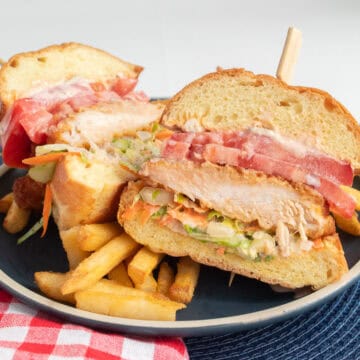
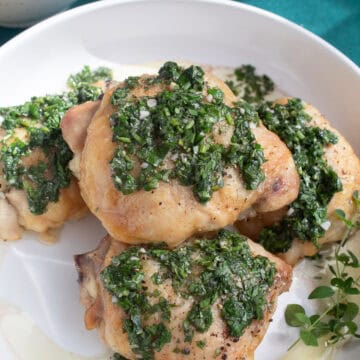
Use this Thai basil pesto as a base for salad dressing by adding the juice of one lime and additional oil to get the right consistency. Stir the pesto into mayonnaise for a Thai basil pesto aioli, perfect for fries! Brush the pesto over chicken or steak as a marinade before grilling. Make a dipping sauce like the one below for grilled steak by stirring the pesto with fresh lime juice.

Quick and Easy Appetizer
This pesto is a great pairing with cooked and chilled shrimp. If you purchase already cooked shrimp, you can have this appetizer in minutes! Place two shrimp on a bamboo skewer and brush them with the prepared pesto. Serve this appetizer with a squeeze of fresh lime juice.

Thai Basil Pesto Noodles
Dress cooked rice or wheat noodles with the pesto. Toss the noodles with diced red bell pepper, crushed peanuts, chopped cilantro, and a squeeze of lime. Garnish your pesto noodles with sliced jalapeno and extra Thai basil leaves for a refreshing summer meal. Top these Thai pesto noodles with five spice chicken thighs, too!

Storage
The pesto is best used immediately after preparation to ensure a bright green color. If you want to make it a few hours ahead of use, transfer the pesto to a jar and cover it with a thin layer of oil. For longer storage periods, freezing the pesto is your best bet. Freeze it in a zip bag or airtight container and use it within 3 months.
FAQ
This recipe makes about one cup of Thai basil pesto, or 8 servings.
Thai basil and Italian basil have different dominant flavors, with Thai basil you will get a distinctive anise or licorice flavor as well as the peppery flavor present in Italian basil. Thai basil leaves are oblong and mostly flat while Italian basil leaves are broader and curved. Thai basil will have purple stems and purple flowers while Italian basil stems are green with white flowers.
Thai basil has a very distinctive flavor profile and there isn't another herb that will make a good substitute for it. I don't recommend making Thai basil pesto with another basil variety.
Salad Dressings that Dazzle
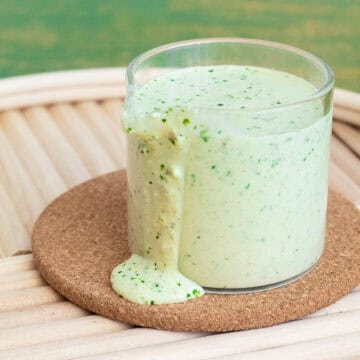
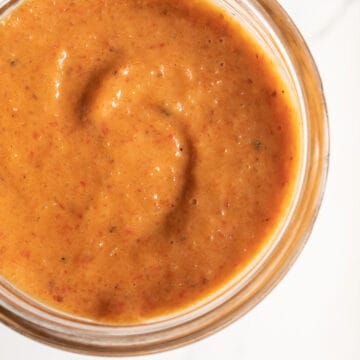
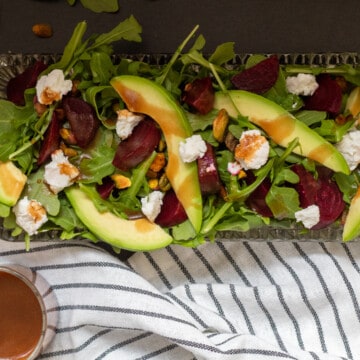
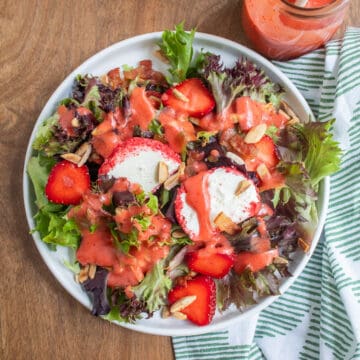
Simple salads get elevated with a distinctive salad dressing and this Thai basil pesto can help make a dressing for a super flavorful option. Check out the recipes below for more delicious salad dressings to shake up your salad rotation:
More Recipes with Fish Sauce
Fish sauce makes a lot of Asian-inspired homemade recipes taste just like their restaurant versions! Once you discover this "secret" ingredient you'll want to use it more often. Here are some recipes to get your started:


Try It and Share
I hope you try this Thai Basil Pesto and enjoy the recipe. I want to see your results! Tag your photo with #planeatpostrepeat and mention me @planeatpostrepeat on Instagram or Facebook. I can give you a virtual high five and thank you for cooking one of my recipes! Comment below with any questions and please leave a review so others can find this recipe more easily.
This recipe was updated in July of 2025 to provide much more prep detail along with new photos. The recipe was changed to double the quantities for easer prep compared to the original version from August 2020.
Recipe

Thai Basil Pesto

Equipment
- mini food processor or blender
Ingredients
- 1.5 oz Thai basil leaves (about 1 cup of leaves, packed)
- ½ cup peanuts (unsalted and roasted)
- 2 tablespoon fish sauce
- 2 cloves garlic (peeled)
- ½ cup vegetable oil (or other neutral oil)
- 6 inches lemongrass (chopped in ¼-inch pieces)
Instructions
- Remove the leaves from the Thai basil stems. Peel the garlic and chop the lemongrass into ¼-inch rounds.
- Combine all ingredients in the bowl of a small food processor or a mini (bullet) blender. Process until mostly smooth, scraping down the sides of your blender/processor once to fully incorporate ingredients.
- Use the pesto immediately or store in a jar with a thin layer of oil to cover the surface.
Nutrition facts are sometimes provided below and are calculated using an online calculator. With specific brands of ingredients and additions, omissions, or substitutions the nutrition facts may change. We encourage you to use your own nutrition facts calculator to obtain the most accurate nutrition facts for your meal.



Cassie Waltman says
This recipe is in constant rotation in the summer months when we get a bumper crop of Thai basil in the garden.