
Make this Quick and Easy Thai Peanut Sauce today and you'll have an immediate flavor booster that improves salads, appetizers, noodles, and more. This recipe combines peanut butter, curry paste, lemongrass, coconut milk, lime, and fish sauce for a complex flavor in minutes. Cleaning out the veggie box in the fridge? Add peanut sauce and you have a great lunch salad. Baking fish for dinner? Pair it with greens and drizzle peanut sauce over the top and you're basically at a restaurant. Want to put a spin on the typical veggies-and-ranch platter for a party? Thai peanut sauce is the answer.
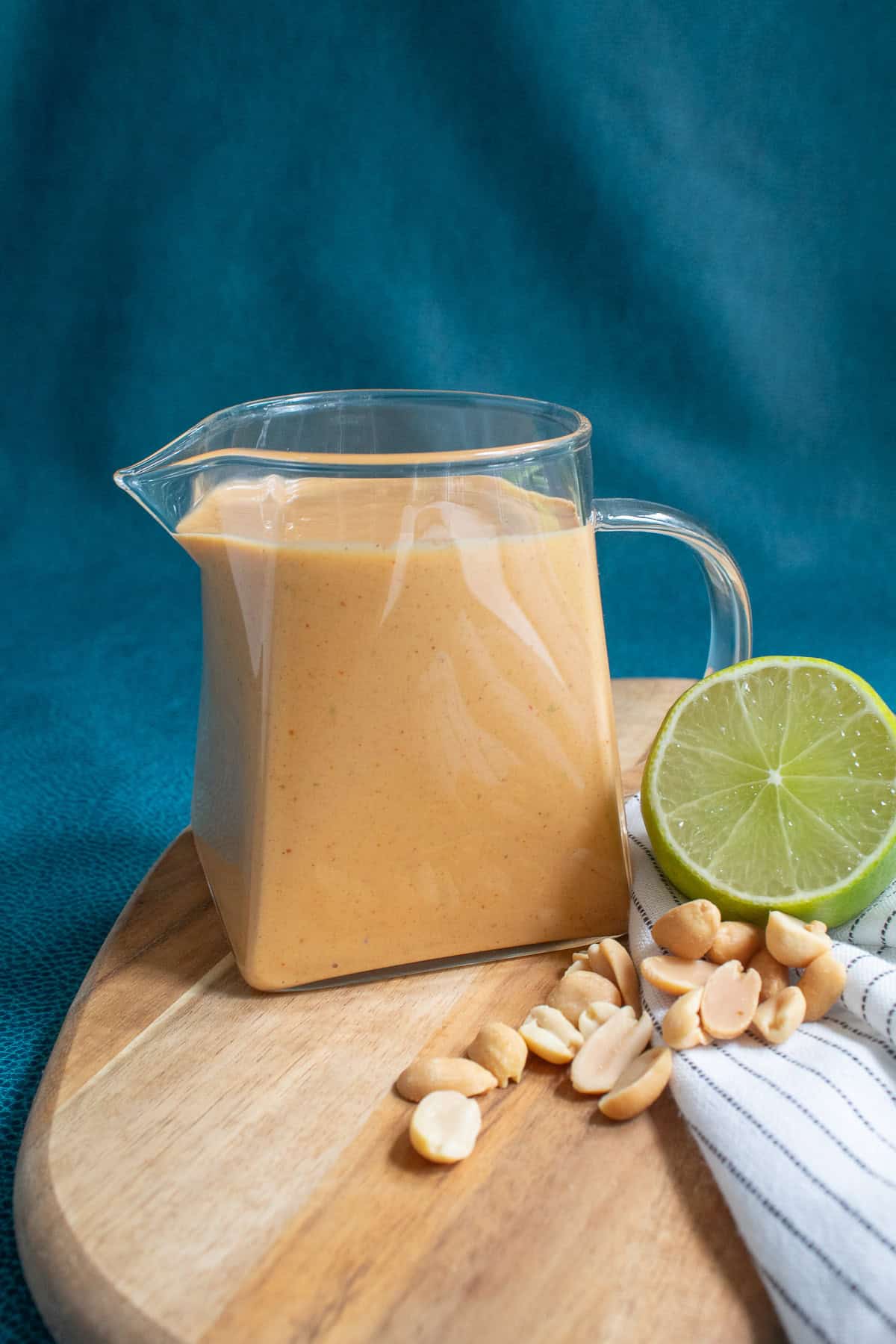
Don't be put off by the long list of ingredients! Once you've gathered them, the sauce is just a few whirls away from done. Like many Asian recipes, this Thai peanut sauce balances sweet and savory, tart and umami ingredients for a complex flavor. If you prefer your peanut sauce sweeter or more sour, adjust the proportions to your liking!
You can make so many delicious meals with this Thai peanut sauce! My favorite option is this peanut chicken and veggies sheet pan dinner with an easy make-ahead option for busy weeknights.
Jump to:
Ingredients
I include ingredient notes here when I think they'll be helpful, including ways to source, any preparation tips, or why I've chosen a particular ingredient. Be sure to check out the recipe card below for the full list of ingredients and their quantities!
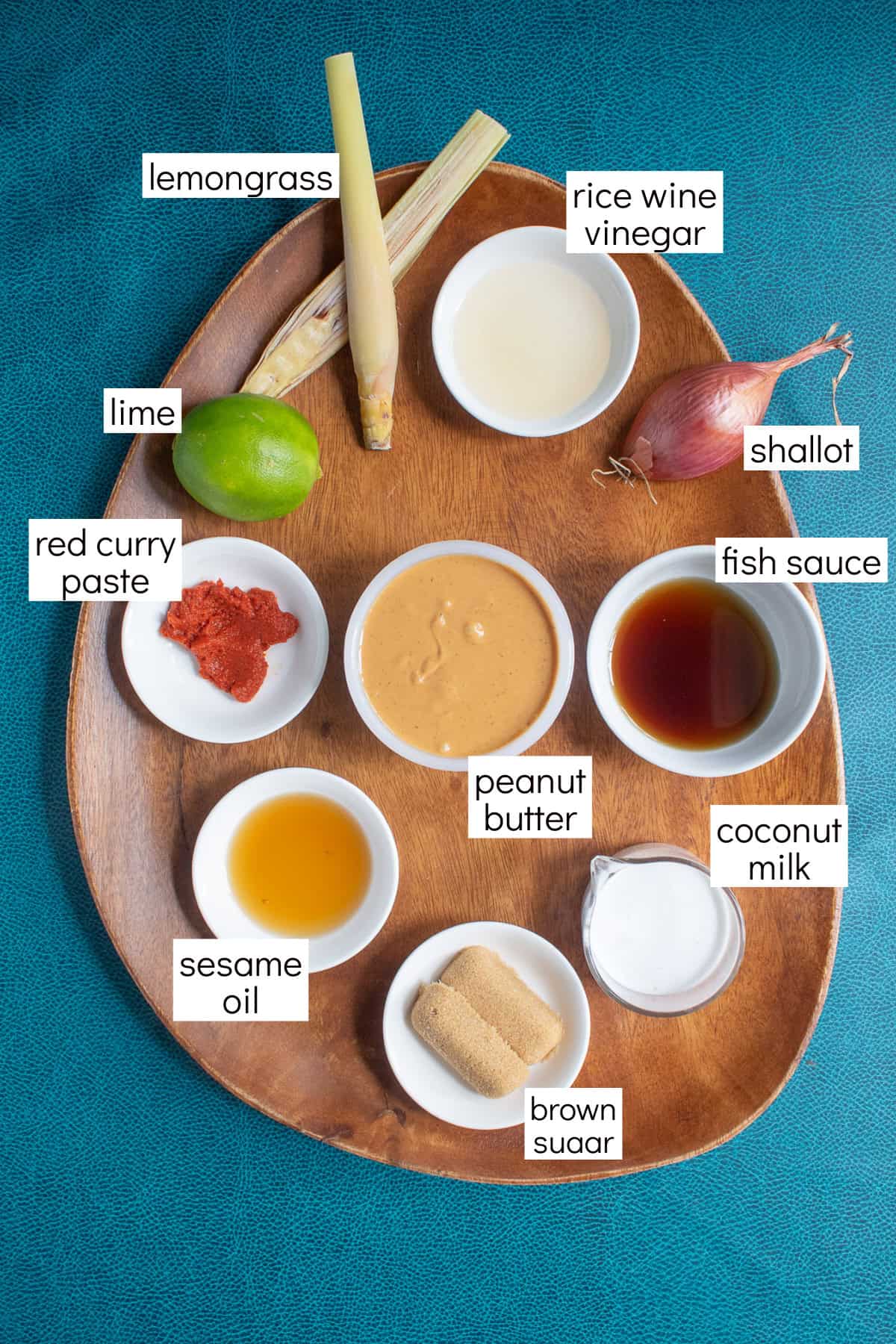
- Shallot - Shallots are much more common in Thai recipes than onion or garlic for that aromatic, pungent flavor. They are not cooked in this recipe, so it's easy for them to overpower any other flavors. You only need about one tablespoon of finely chopped shallot for a good balance of flavor.
- Lemongrass - Lemongrass can be found at large supermarkets as well as Asian markets. A stalk of lemongrass is thicker at one end and has a pale green outside layer and a subtle purple color in the inside leaves. Lemongrass is floral and cirtusy and gives a distinctive flavor to the peanut sauce.
- Lime - You'll use both the lime zest and the juice in the peanut sauce, so choose a fresh lime.
- Red Curry Paste - This version contains Thai red curry paste, and it was an ah-ha! moment for me. Something about the combination of flavors in the paste made the peanut sauce more authentic tasting than any version I'd thrown together before. Use Thai Kitchen red curry paste for a mild version that is kid-friendly
- Fish Sauce - Don't be afraid to grab a bottle of fish sauce next time you see it at the market! Fish sauce contains fish (usually anchovies), water, and salt and has a pungent aroma. When added to recipes, however, the salinity and umami flavor is mellowed.
- Brown Sugar - This is my favorite sweetener to add to Asian recipes to balance the acid and umami flavors from the other ingredients.
- Peanut Butter - Use a creamy or chunky peanut butter. A traditional or natural peanut butter will work, whichever you normally have on hand.
- Coconut Milk - Choose canned or boxed coconut milk where coconut is the first ingredient and not water. Shake or stir the coconut milk to distribute the fat from the coconut milk evenly before measuring it.
- Rice Vinegar - Rice vinegar has a mellow acidity that will cut through the rich peanut butter and coconut milk. You will find this in your supermarket, but take care to buy only rice vinegar (also known as rice wine vinegar) and not seasoned rice vinegar. The seasoned version contains salt and sugar.
- Sesame Oil - Sesame oil has a deeply nutty and roasted flavor, so you only need a touch in your peanut sauce. It is easy to find at a regular supermarket or Asian market.
Instructions

Zest and juice the lime so that you have one teaspoon of zest and two tablespoons of juice. Cut a 3-inch piece of the lemongrass stalk in half lengthwise and then into ¼-inch strips. Finely mince the shallot to yield 1 tablespoon.
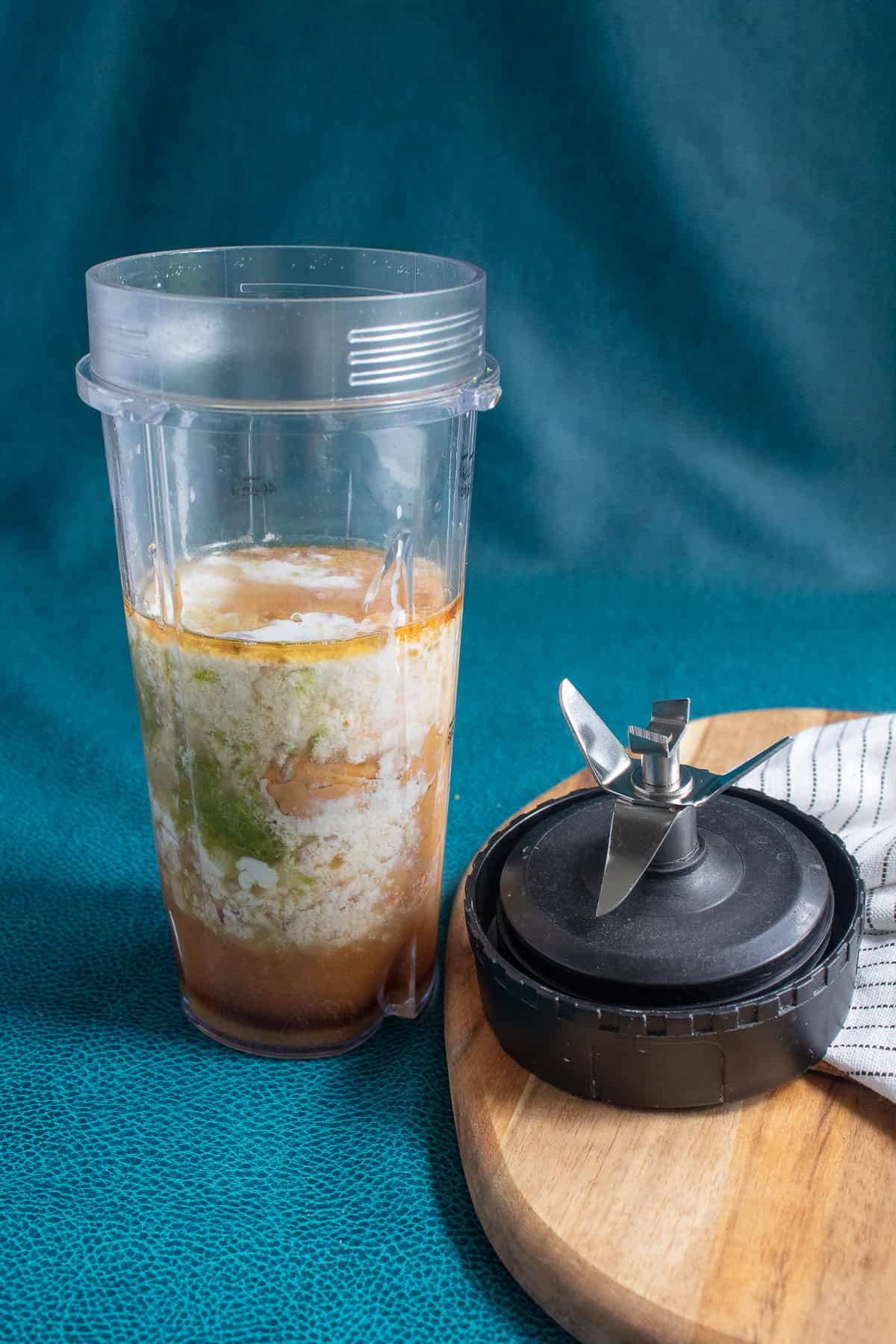
Add all of the ingredients plus two tablespoons of water to the pitcher of a mini blender or a small food processor. Blend until the sauce is smooth, stopping to scrape down the sides if needed.
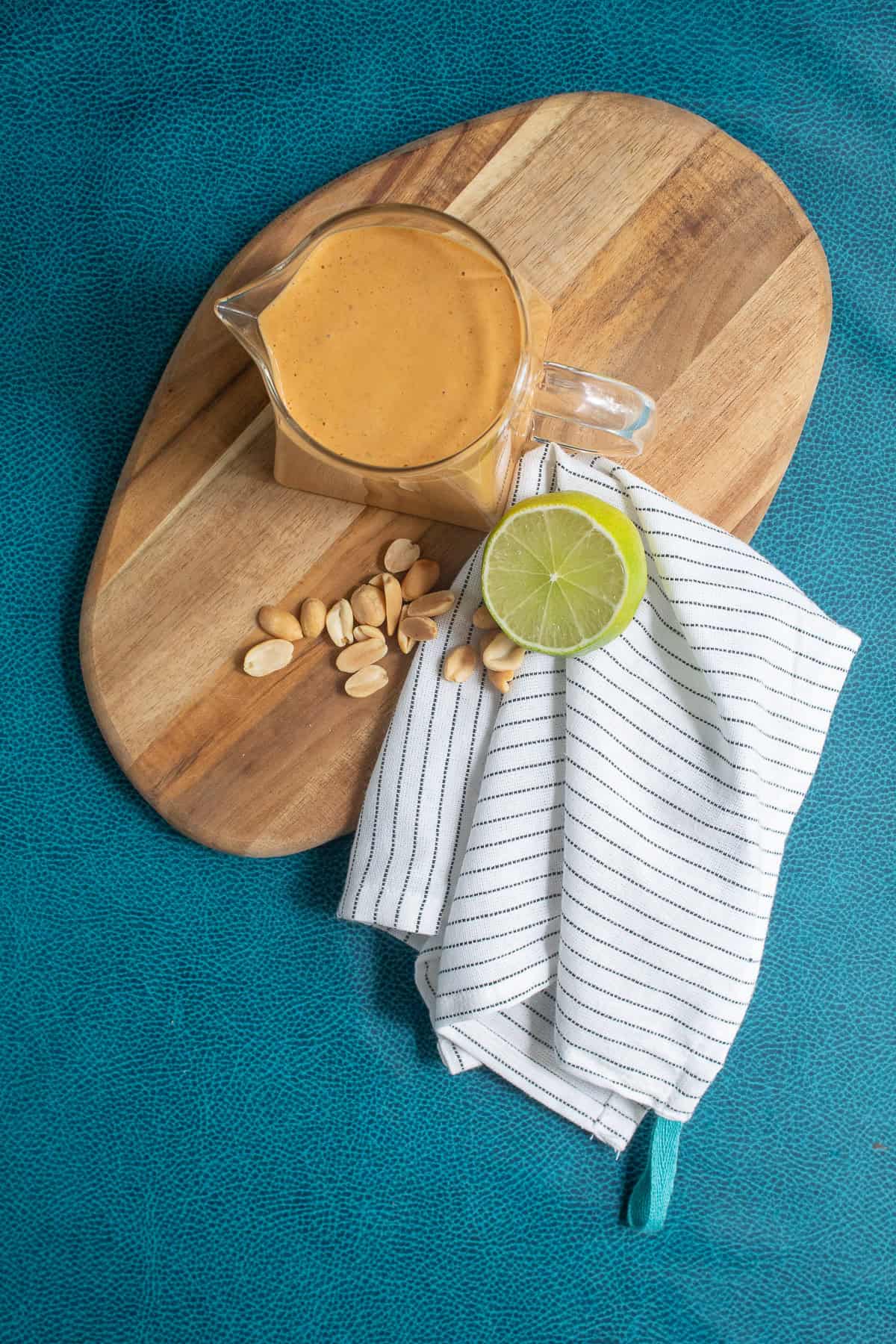
Transfer the sauce to a serving bowl or pitcher.
Coconut Milk Tip
You can freeze your extra coconut milk if you opened a can specifically for this recipe! Mix it well and pour any extra into an ice cube tray. Freeze on a flat surface and then transfer the coconut milk cubes into a zip-top bag to help them stay fresh in the freezer. You can add these cubes to other recipes, smoothies, curries, or iced coffee.
Substitutions and Variations
The substitutions listed below have been tested in this recipe and work well. If you successfully make any other ingredient substitutions, let us know in the comments!
- No Shallots? Use Garlic - While shallot is a more traditional ingredient, feel free to use 1-2 cloves of garlic in this peanut sauce. Remember that the garlic will be raw, so it will have a strong flavor.
- Peanut Butter Powder - Peanut butter powder like PBfit or PB2 is a great swap for the peanut butter in this recipe. Add ¼ cup (about 1 ounce) of powdered peanut butter and 2 tablespoons of water and omit the peanut butter.
- Make It Spicy - Thai peanut sauce is extra delicious when you add some spice! Use a spicier red Thai chili paste like Mae Ploy, add half of a fresh jalapeño, or a healthy squeeze of sriracha to get a spicy sauce.
Equipment
Here are some notes on the kitchen tools that make preparing this Thai peanut sauce super easy:
- Single-Serve Blender - A small blender is a great tool for sauces and marinades that might get lost in a larger blender pitcher. Bullet blenders or smoothie blenders are perfectly sized and offer great power for breaking down ingredients into a smooth puree.
- Chef's Knife - An 8- or 10-inch chef's knife is an essential tool in any kitchen. Lemongrass is very fibrous and a sharp knife will be your best tool for breaking it down so that it blends well into the sauce.
- Microplane Zester - These long wand-style graters make quick work of any citrus, but don't cut so deeply that you end up with bitter citrus pith. The small holes of a box grater will also work, just take care to only grate the green part of the limes.
Serving Suggestions
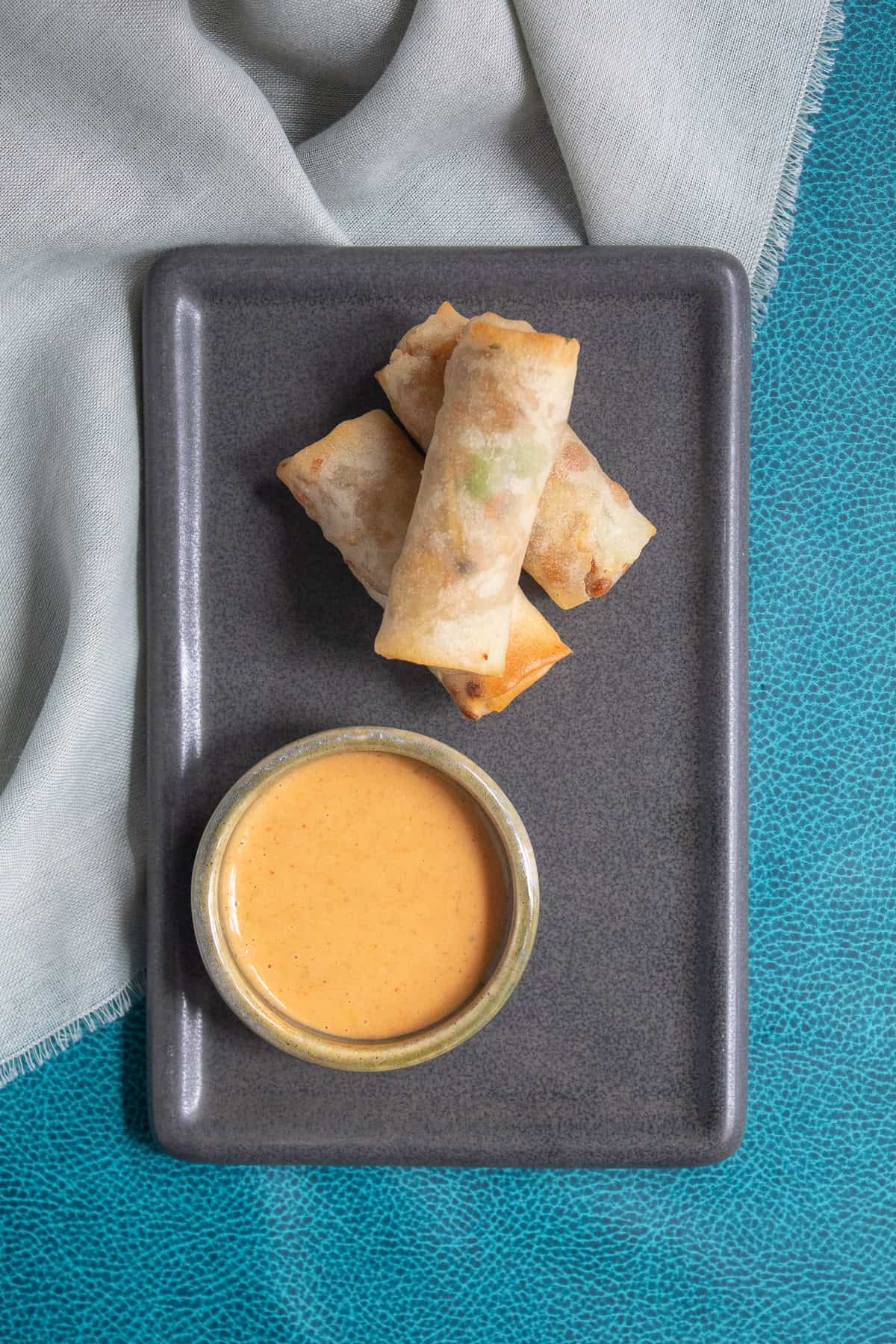
This peanut dipping sauce is great served with fresh or fried spring rolls, fried tofu, or chicken skewers like satay chicken. Add it to a flatbread for a super flavorful pizza with chicken and fresh garnishes like cilantro, bean sprouts, and cucumber. Add it to a grilled chicken sandwich as a spread along with some grilled red peppers.
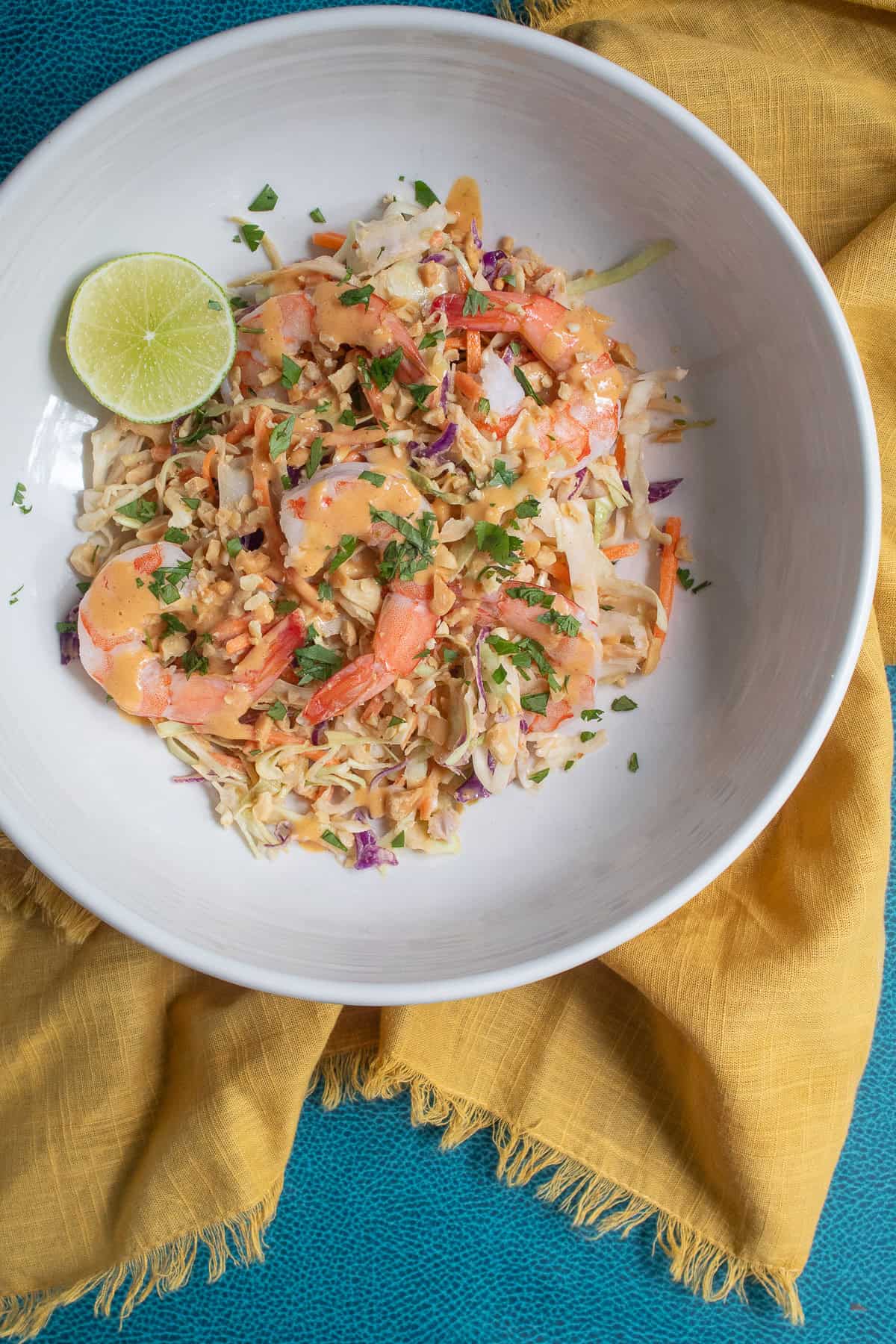
Thai Peanut Salad Dressing
Take this Thai peanut sauce and add extra lime juice and rice wine vinegar for a tangy and creamy peanut salad dressing. It makes the simplest salad when tossed with slaw mix and a combination of red bell pepper, crushed peanuts, or chopped cilantro. Add cooked shrimp, chicken, or steak and you have a dreamy dinner-worthy salad!
Make This Recipe Kid-Friendly
Peanut sauce is a touch sweet and has a perfect peanutty flavor. For our family of spice-averse kiddos the Thai Kitchen red curry paste is a good balance of flavor without too much spice, so if you need a mild version that brand is your best bet.
Dipping sauces can turn a no-thank-you meal into a yes, please opportunity. Check out this post on Keeping Peace with Picky Eaters for more tips.
Storage
Store any unused Thai peanut sauce in a sealed jar or covered bowl and refrigerate for up to 5 days. The sauce will be very thick after chilling, but either bring it to room temperature or add a bit of water to thin it out.
FAQ
Key ingredients in Thai peanut sauce include peanut butter, fish sauce, lime, coconut milk, and red curry paste.
You can use classic creamy, chunky, or natural peanut butter for Thai peanut sauce! We also have success with peanut butter powder like PB fit or PB2.
Peanut dipping sauce is excellent for dipping fresh or fried spring rolls, tofu, chicken satay, cooked shrimp, or vegetables like broccoli, red peppers, or carrots.
More Dips and Spreads
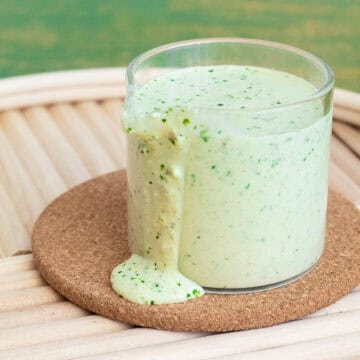
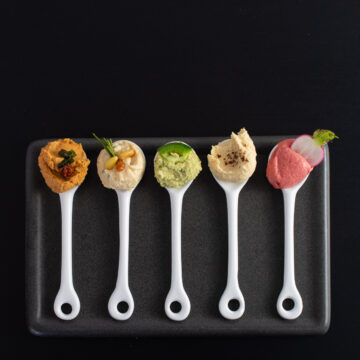
We love this Thai peanut sauce as a dip for veggies, but it's so much more! Try any of these recipes for more dips that do double duty as sandwich spreads or salad dressings:
Ways to Use Fish Sauce
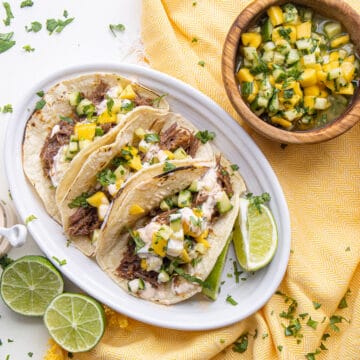
Fish sauce may not be a staple in your kitchen… yet. Here are some great recipes that will help you fall in love with this ingredient:


Try It and Share
I hope you try this Thai Peanut Sauce and enjoy the recipe as much as I do. I want to see your results! Tag your photo with #planeatpostrepeat and mention me @planeatpostrepeat on Instagram or Facebook. I can give you a virtual high five and thank you for cooking one of my recipes! Comment below with any questions and please leave a review so others can find this recipe more easily.
This post was originally titled Thai Peanut Sauce. The post was updated in August of 2025 to change the title, provide more prep detail along with photos, and add more specificity to the original April 2020 version of the recipe.
Recipe
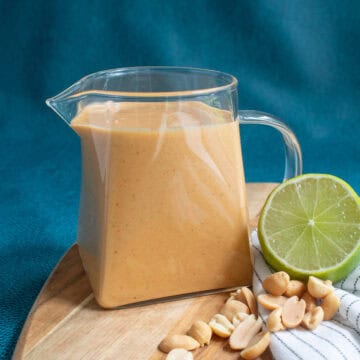
Quick and Easy Thai Peanut Sauce

Ingredients
- 1 tablespoon shallot (finely diced)
- 3 inches lemongrass stalk
- 1 medium lime (zested then juiced)
- 2 teaspoon Thai red curry paste
- 2 tablespoon fish sauce
- 2 tablespoon brown sugar
- ½ cup peanut butter
- ¼ cup coconut milk
- 1 tablespoon rice wine vinegar
- 2 teaspoon sesame oil
- 2 tablespoon water
Instructions
- Zest and then juice the lime to yield one teaspoon of zest and two tablespoons of juice.
- Slice the lemongrass stalk in half lengthwise and then cut it into ¼-inch pieces.
- Finely dice the shallot and use about one tablespoon in the peanut sauce.
- Add all ingredients to the bowl of a food processor or the pitcher of a mini blender. Process until smooth. You may need to scrape the sides of the food processor or mini blender to incorporate all of the ingredients well.
Nutrition facts are sometimes provided below and are calculated using an online calculator. With specific brands of ingredients and additions, omissions, or substitutions the nutrition facts may change. We encourage you to use your own nutrition facts calculator to obtain the most accurate nutrition facts for your meal.


Linda Buckland says
Fabulous - so tasty. Didn't have any red curry paste so used mild curry paste and gochuang- inauthentic but good. And could not face squishing peanut butter into a cup measure (though I do have a set!) so used a big dollop. As we're veggie we had it over tofu dusted with cornstarch and shallow fried, stir fry veg and noodles. Mmm-mmm.
cassieelane says
You really can't go wrong riffing on the peanut sauce, I'm glad you found some substitutions that worked. I hear you about the measuring cup with peanut butter. I have this nifty squeegee measuring contraption for peanut butter that I use often, but the old dollop method works well too!